Skip to the page
Conversation Mile

Grammar in Use

The grammar English speakers get wrong, written as practice you can say out loud.

12 pages

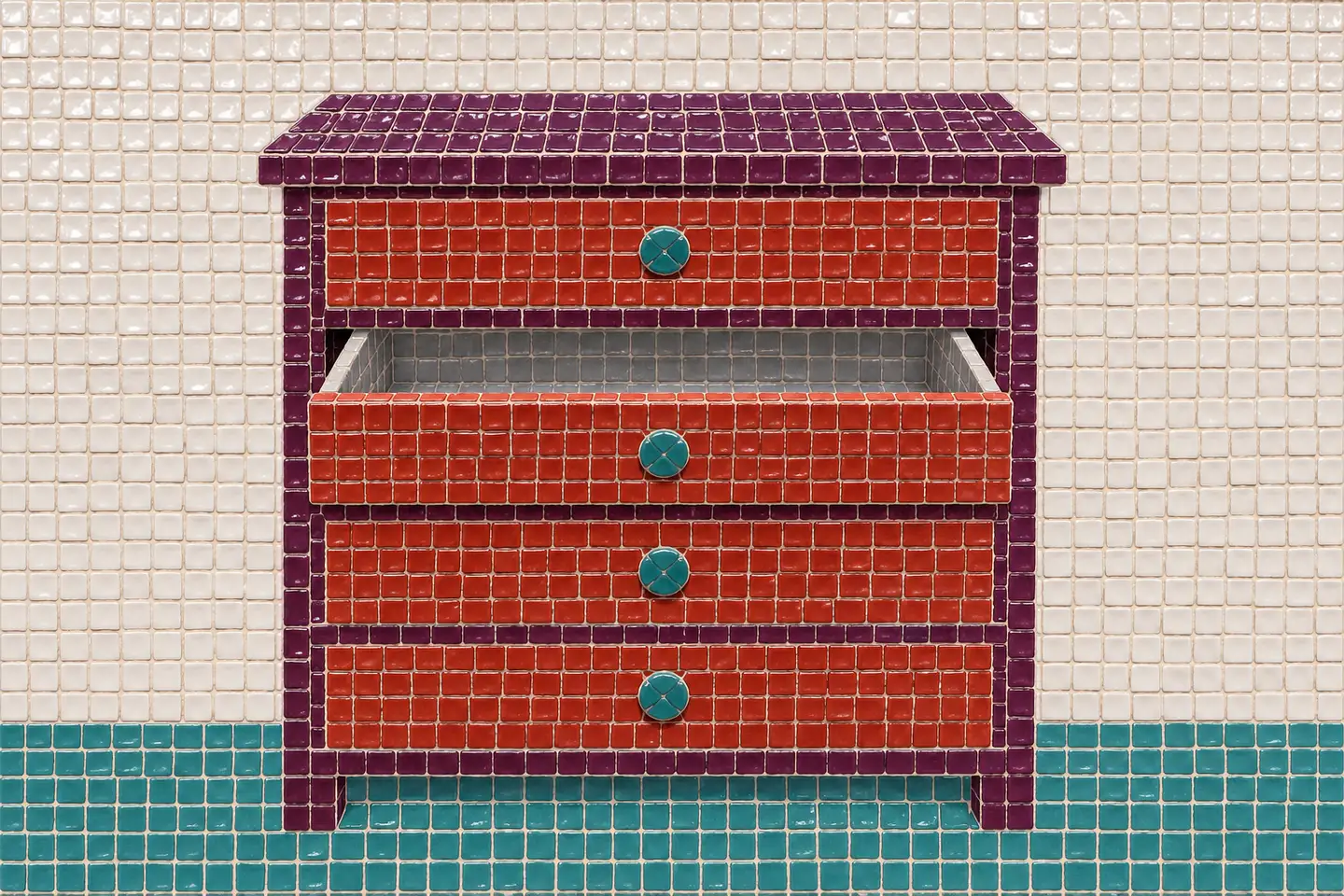
A red chest of four drawers with teal knobs and a plum frame, the second drawer pulled open, against a cream wall above a teal floor.
Image credit

Illustration: Conversation Mile. Generated schematic image — not a photograph or historical record. You may reuse it if you credit Conversation Mile; this site holds rights in it only as far as the law gives them.

Grammar

German Cases for English Speakers: The Four-Question Method

Wer, wen, wem and wessen line up with the four German cases. Learn the articles, when prepositions and verbs override the question, and a daily drill to say aloud.
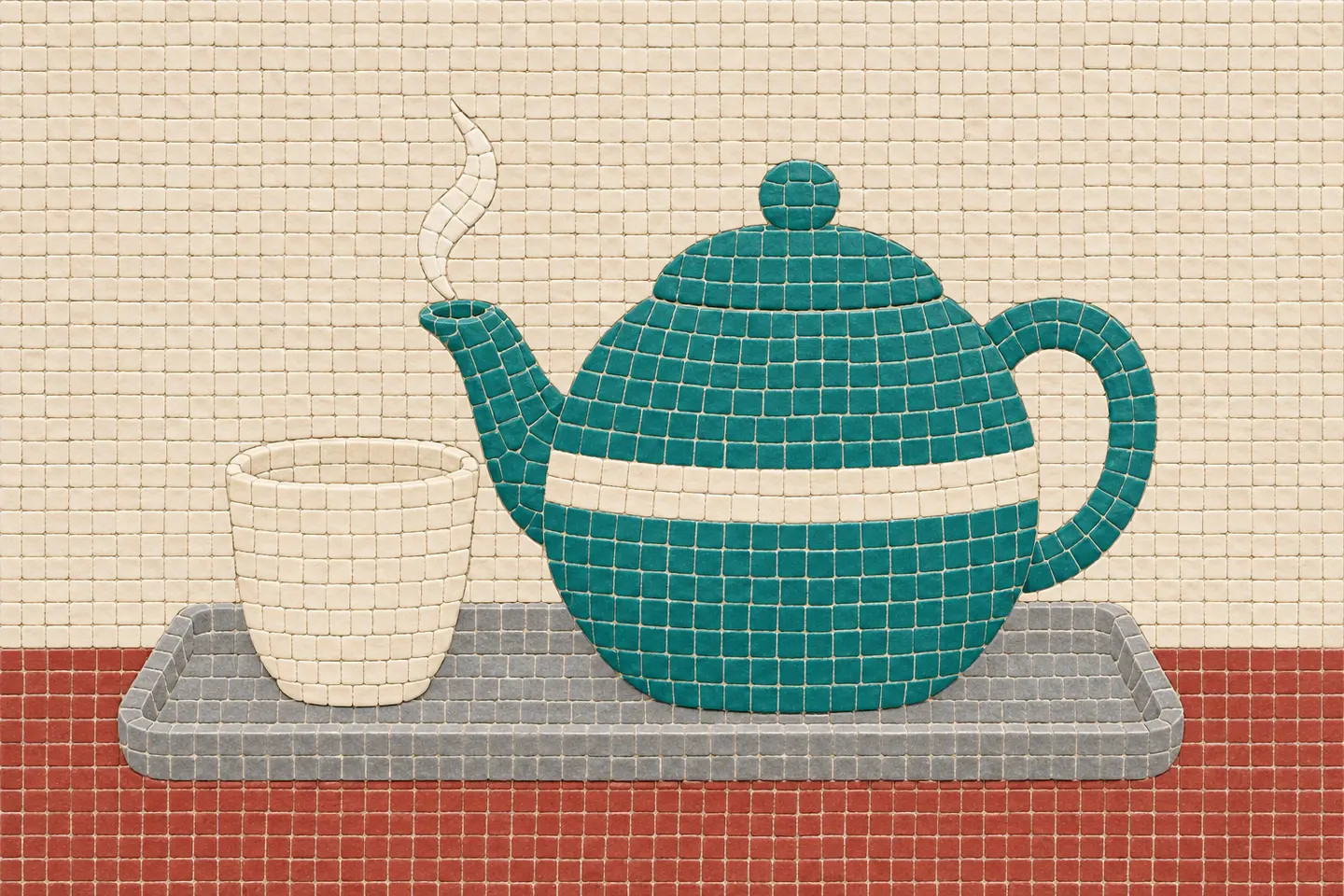
A teal teapot with a cream band and a wisp of steam beside a plain cream cup on a gray tray over a red surface.
Image credit

Illustration: Conversation Mile. Generated schematic image — not a photograph or historical record. You may reuse it if you credit Conversation Mile; this site holds rights in it only as far as the law gives them.

Grammar

Ser vs Estar: What Something Is, Where It Is, How It Is Now

Ser says what something is; estar says where it is and how it is now. Two lists to say aloud, plus where that fails: events, death, pregnancy, married, some adjectives.

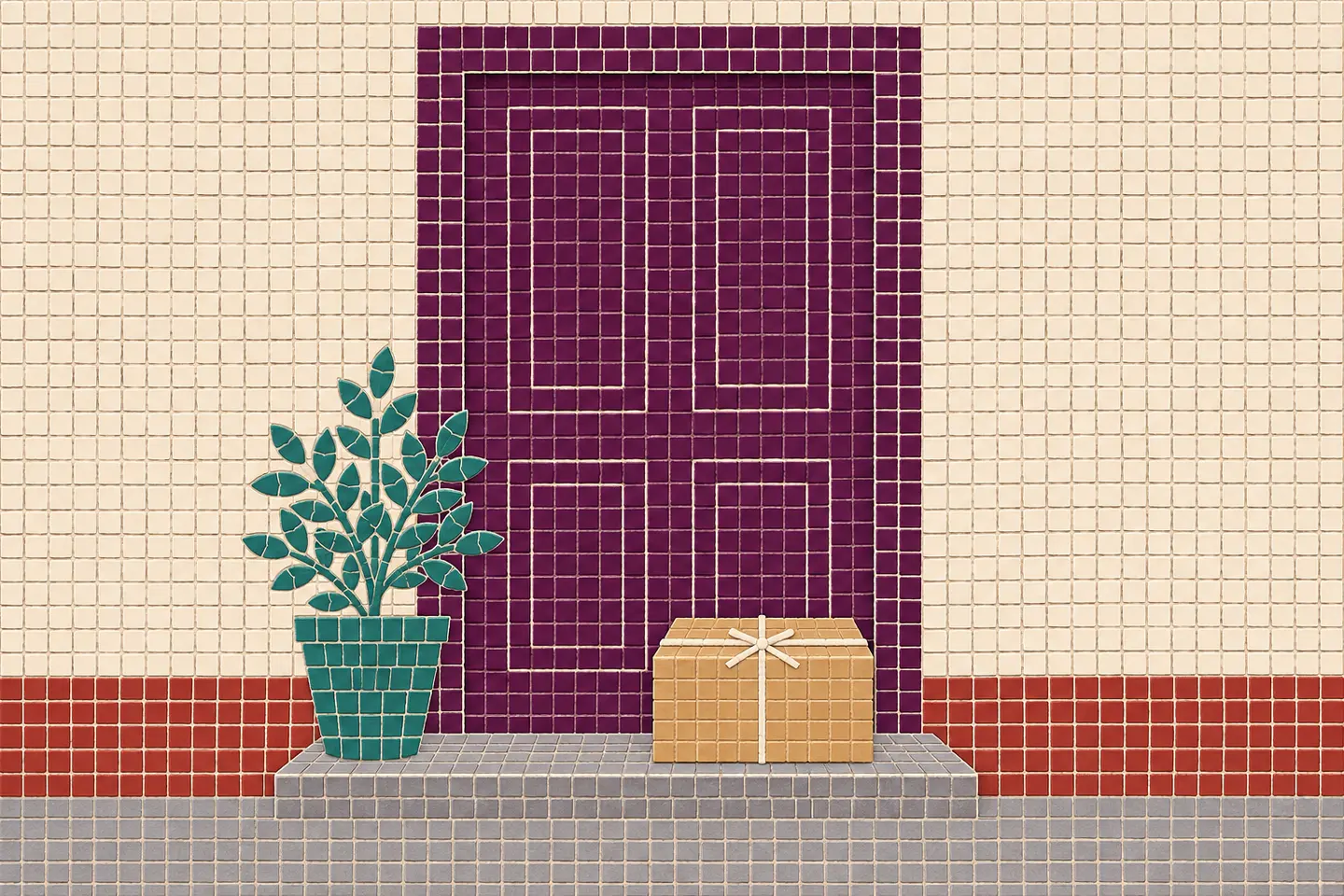
A tall plum double door with a potted green plant and a brown parcel tied with string waiting on the gray step.
Image credit

Illustration: Conversation Mile. Generated schematic image — not a photograph or historical record. You may reuse it if you credit Conversation Mile; this site holds rights in it only as far as the law gives them.

Grammar

Por vs Para: Sort Each One by What It Does in the Sentence

Por and para can both mean for. Sort most uses by job: para for deadlines, who gets it, goals and destinations; por for time spans, swaps, reasons and routes.

A tiered stone fountain with teal water in a town square, framed by two street lamps, two round trees, and red-roofed houses.
Image credit

Illustration: Conversation Mile. Generated schematic image — not a photograph or historical record. You may reuse it if you credit Conversation Mile; this site holds rights in it only as far as the law gives them.

Grammar

Preterite vs Imperfect: The Event and the Background

The preterite tells what happened; the imperfect sets the scene and habits. Where that breaks: counted times, set lengths, and verbs that change meaning.

A white cottage with a plum roof, teal door and windows, and a red brick wall with an open teal gate between two round shrubs.
Image credit

Illustration: Conversation Mile. Generated schematic image — not a photograph or historical record. You may reuse it if you credit Conversation Mile; this site holds rights in it only as far as the law gives them.

Grammar

Spanish Subjunctive Starts With the Trigger, Not the Endings

The Spanish subjunctive usually follows a trigger: wanting, doubt, feeling, an unfinished event. Say each trigger aloud first, then learn the endings.

A white basin with a purple drain sits in a grey counter under a teal round mirror, between a red toothbrush cup and teal towel.
Image credit

Illustration: Conversation Mile. Generated schematic image — not a photograph or historical record. You may reuse it if you credit Conversation Mile; this site holds rights in it only as far as the law gives them.

Grammar

Spanish Reflexive Verbs and Why Se Is Not Always Oneself

A reflexive verb takes me, te, se, nos or os (Spain) to match the subject. Se also shows up where English says get, each other or no one, and as le before lo.

Three lidded canisters in plum, teal, and red standing side by side on a gray shelf against a cream tiled wall.
Image credit

Illustration: Conversation Mile. Generated schematic image — not a photograph or historical record. You may reuse it if you credit Conversation Mile; this site holds rights in it only as far as the law gives them.

Grammar

Der, Die, Das and Learning Each Noun With Its Article

Most German nouns give no clue to der, die or das, so learn each one with its article and plural. Endings that hint, where they fail, and a drill to say aloud.

Three cups on saucers in plum, teal, and red lined up in front of a cream teapot on a pale table over a gray tiled floor.
Image credit

Illustration: Conversation Mile. Generated schematic image — not a photograph or historical record. You may reuse it if you credit Conversation Mile; this site holds rights in it only as far as the law gives them.

Grammar

German Adjective Endings Depend on What the Article Shows

German adjectives before a noun: -e or -en after der, three spots differ after ein, and with no article the der, die, das, den or dem ending, except m. and n. genitive.

A plum arched door with an open striped umbrella on the step, beside a potted tree, a window box of red flowers, and puddles.
Image credit

Illustration: Conversation Mile. Generated schematic image — not a photograph or historical record. You may reuse it if you credit Conversation Mile; this site holds rights in it only as far as the law gives them.

Grammar

Passé Composé vs Imparfait: One Story, Two Past Tenses

French tells what happened in the passé composé and usually what was going on in the imparfait. Time words help, but context decides. Forms and être verbs included.

A storefront with a plum and white striped awning, a teal door, and a small round table with two plum chairs on a gray sidewalk.
Image credit

Illustration: Conversation Mile. Generated schematic image — not a photograph or historical record. You may reuse it if you credit Conversation Mile; this site holds rights in it only as far as the law gives them.

Grammar

French Subjunctive Starts With the Phrases That Call for It

The French subjunctive follows set phrases: il faut que, wanting, feeling, doubt (not ne pas douter) and some connectors. Say them aloud, then learn endings.

A round teal-rimmed table holding a loaf of bread on a plum board, a dish of butter, a bowl of red jam with a spoon, and a glass of water.
Image credit

Illustration: Conversation Mile. Generated schematic image — not a photograph or historical record. You may reuse it if you credit Conversation Mile; this site holds rights in it only as far as the law gives them.

Grammar

French Articles: When un, du, and des Change to de

French nouns usually need an article where English has none. When to use le, un or du, when they become de after pas (not after être) or beaucoup, and when none is used.

A thick plum book with a magnifying glass on its cover, a teal pencil, and a cup on a saucer on a red table.
Image credit

Illustration: Conversation Mile. Generated schematic image — not a photograph or historical record. You may reuse it if you credit Conversation Mile; this site holds rights in it only as far as the law gives them.

Tool

Verb Conjugation Lookup: Spanish, French, and German

Look up 300 Spanish, French and German verbs in Wiktionary tables, CC BY-SA 4.0, with notes on vos (Argentina, Uruguay), vosotros (informal, Spain) and notes not shown.